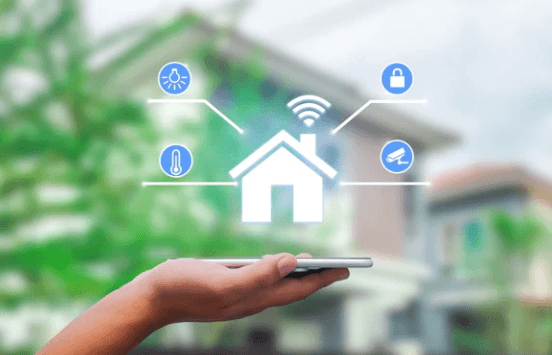
Smart living now centers on purposeful device coupling, data-driven routines, and seamless services that heighten comfort and efficiency. Interoperability enables cross-device action and scalable customization, while privacy norms and consent remain core. Security and ethical design shape trust, with auditable decisions guiding transparency. The trajectory moves toward deeper personalization balanced by safeguards, broader access, and resilient governance. As systems mature, stakeholders face practical trade-offs and opportunities that will determine how responsibly this ecosystem expands.
What Smart Living Really Means Today
What smart living means today centers on the purposeful integration of connected devices, data-driven routines, and seamless services that collectively enhance comfort, efficiency, and safety.
The framework emphasizes privacy norms and user consent, guiding transparent data practices.
Data minimization reduces exposure, while interoperability standards enable scalable, future-ready ecosystems.
In this landscape, individuals pursue autonomy, informed choices, and trusted, adaptable technologies that support freedom.
How Interoperability Powers Seamless Homes
Interoperability acts as the backbone of seamless homes, enabling diverse devices and services to communicate, coordinate, and adapt without user intervention.
The focus remains on robust interoperability standards that foster reliable, scalable ecosystems. Cross device communication reduces friction, enabling proactive automation and nuanced control. By standardizing interfaces, homes anticipate needs, optimize energy, and support transparent customization while preserving user autonomy and future growth potential.
Privacy, Security, and Ethical Design in Smart Living
Privacy, security, and ethical design form the triad that governs responsible smart living, ensuring that pervasive sensing and automation respect user rights while delivering tangible benefits.
The analysis highlights robust governance, transparent data flows, and user agency.
Privacy ethics and data sovereignty anchor trust, guiding architectures toward modular control, auditable decisions, and resilient defense against misuse within evolving, freedom-minded ecosystems.
The Future: Personalization, Equity, and Real-World Impact
The future of smart living centers on personalization, equity, and real-world impact, aligning adaptive technologies with diverse user needs while ensuring broad accessibility.
This trajectory analyzes personalization ethics, balancing tailored experiences with privacy safeguards, and evaluates equity access to prevent digital deserts.
Outcomes hinge on measurable benefits, transparent governance, and scalable solutions that empower individuals while upholding collective well-being and responsible innovation.
See also: scannermagazine
Frequently Asked Questions
What About the Energy Costs of Smart Devices Long-Term?
Energy budgeting shows smart devices can reduce overall bills through efficiency, but long term affordability depends on usage patterns, device efficiency, and grid pricing. The assessment remains future-focused, highlighting prudent ownership and scalable, adaptable energy solutions for personal freedom.
How Do AI Assistants Handle Data Across Devices Securely?
AI assistants manage data across devices by enforcing data sovereignty and cross device encryption, ensuring user-controlled data flows remain opaque to unauthorized apps, with federated processing and secure enclaves that preserve privacy while enabling seamless, future-ready functionality.
Are Smart Homes Accessible for All Ages and Abilities?
Smart homes are increasingly accessible for all ages and abilities. About 25% of households report adaptive tech use, signaling rising inclusion design and accessibility adoption; future-focused improvements aim to empower independence across diverse users.
What Standards Ensure Devices Work With Older Systems?
Standards compatibility ensures devices interoperate with older systems, while Legacy interop frameworks enable phased integration. The approach emphasizes future-ready protocols, backward support, and modular upgrades, granting users freedom to mix generations without vendor lock-in or premature obsolescence.
Can Smart Living Reduce Urban Infrastructure Needs?
Smart living can reduce urban infrastructure needs, and a 35% efficiency gain signals substantial potential for decentralized systems. It strengthens Smart grid, Urban integration, Net zero, and Smart zoning, supporting freedom through adaptable, citywide energy and resource optimization.
Conclusion
The evolution of smart living converges on purposeful interoperability, data-informed routines, and transparent governance that respect user autonomy. As devices speak a common language, homes become adaptive ecosystems that anticipate needs without intrusion. Privacy-by-design and auditable decisions underpin trusted innovation, while equitable access broadens benefits. The future promises deeper personalization and resilient security, yet its success hinges on ethical choices and robust standards—transforming everyday life into a hyper-efficient, almost prophetic reality.