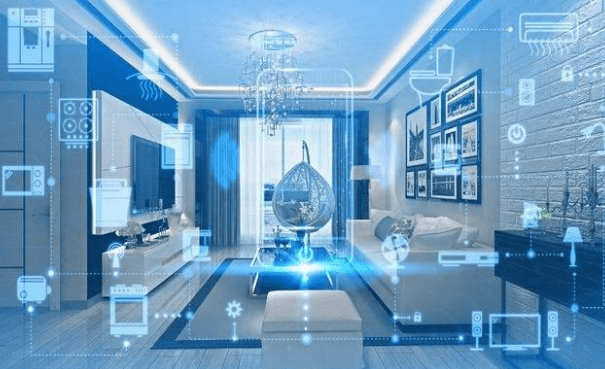
The evolution of smart homes progresses from disparate sensors to an integrated edge-to-cloud ecosystem. Devices move beyond isolated functionality toward interoperable frameworks and scalable integrations. Privacy, security, and governance become central concerns, guiding risk management and user consent. AI, sensing, and edge intelligence enable autonomous, resilient operation. Architecture balances performance, privacy, and control to deliver personalized environments, yet the path forward remains contingent on standards, trust, and the willingness of ecosystems to evolve.
What Makes a Modern Smart Home Work
A modern smart home functions through an integrated network of sensors, devices, and software that communicate via standardized protocols and edge-to-cloud architecture.
The system coordinates smart appliances to streamline everyday routines, balancing automation with user control.
Emphasis on privacy and security ensures integrity, while transparent data handling builds trust in connected living without sacrificing performance or autonomy.
From Devices to Ecosystems: The Rise of Interoperability
From devices to ecosystems, interoperability emerges as the connective tissue that enables diverse smart-home components to operate as a cohesive whole.
The rise of interoperable architectures hinges on interoperability standards and cross brand APIs, enabling seamless data exchange, synchronized control, and scalable integrations.
This fosters resilient ecosystems, reduces vendor lock-in, and empowers users to tailor configurations without sacrificing reliability or performance.
Privacy, Security, and Trust in Connected Living
Privacy, security, and trust are central to the acceptance and resilience of connected living. The analysis identifies privacy concerns and data governance as core challenges, with explicit security considerations for device isolation and network segmentation. Trust building hinges on transparent user consent, controlled third party access, firmware integrity, and robust threat detection, while governance frameworks guide ongoing risk assessment and response.
The Next Frontier: AI, Sensing, and Edge Intelligence
By distributing computation, devices gain edge autonomy, enabling resilient performance with fewer cloud dependencies.
AI ethics frames governance, accountability, and transparency, guiding trustworthy implementations.
The approach prioritizes privacy-preserving, scalable sensing while empowering users with liberated, responsive control.
See also: The Evolution of Smart Living
Frequently Asked Questions
How Do Smart Homes Impact Energy Consumption Long-Term?
Smart homes generally improve energy efficiency over time through automated optimization, dynamic scheduling, and advanced sensing. These systems enable energy optimization and typically yield long term savings as occupancy patterns and device usage adapt to real-time data.
What Are Common Setup Costs for a Starter Smart Home?
Metaphor: Startup costs for a starter smart home typically include installation, hub or gateway, smart devices, networking gear, and potential professional setup; total varies. Setup basics emphasize budgeting, compatibility checks, and phased budget planning for scalable growth.
Can Smart Devices Operate Offline During Outages?
During outages, smart devices can operate offline depending on design. Offline operation hinges on device autonomy, energy storage, and robust local networks that keep essential functions functional without cloud dependence.
How Do Warranties Cover Smart Home Devices?
Warranties cover defects, not every outage; the warranty scope varies by vendor and plan. Allegorically, a shield protects the device, while the castle gate admits only warranted failures. It specifies device replacement timelines and eligible conditions.
What Skills Help Maintain Optimal Device Performance?
Skills optimization and firmware maintenance enable sustained device performance, enabling autonomous troubleshooting and smoother updates. The detached reviewer notes precise metric tracking, routine calibration, secure network practices, and proactive diagnostics as essential elements for long-term system reliability and user autonomy.
Conclusion
The smart home settles into a quiet equilibrium, where a lattice of sensors glows like a constellation guiding daily life. Interoperability weaves diverse devices into a single, coherent organism, while edge-to-cloud intelligence continually prunes inefficiency from the night. Privacy and trust stand as guardrails, not gates, ensuring user sovereignty. As AI senses, adapts, and predicts, the home becomes an autonomous steward—precise, resilient, and unobtrusively present—sculpting comfort from data with disciplined restraint.