Research serves as the bedrock of academic achievement. Every student and scholar understands the weight of collecting data, reviewing literature, and organizing notes. In the past, this process often involved hours of manual transcription and physical document management. Today, digital transformation has changed the landscape, allowing students to process information with unprecedented speed.
The integration of scanning technology and Optical Character Recognition (OCR) stands out as a primary driver of this shift. These tools convert static images and physical papers into dynamic, editable digital files. By adopting these technologies, researchers reclaim countless hours previously lost to mundane administrative tasks.
Transforming Physical Archives into Digital Assets
The sheer volume of material required for a comprehensive study is often overwhelming. Physical books, archived journals, and handwritten field notes occupy significant desk space and remain difficult to search through. When you digitize these assets, you create a searchable database right on your laptop.
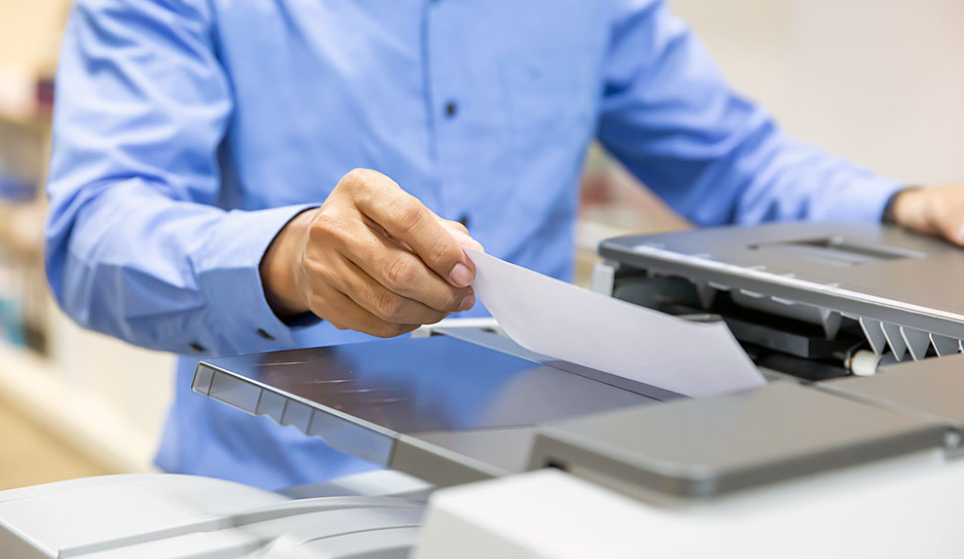
Modern scanning hardware has become incredibly compact and fast. Sheet-fed scanners allow a student to process entire chapters in moments. Once these pages become PDFs, the true power of technology takes over. Through OCR, the software identifies characters within the image and transforms them into machine-readable text. This makes the entire document searchable, which is a massive advantage when you need to find a specific quote or statistic across hundreds of pages.
Enhancing Workflow with Searchability
Efficiency in research depends on the ability to retrieve information exactly when you need it. Manual reading consumes time. Conversely, a searchable digital document allows you to press Ctrl+F and jump directly to relevant sections. This feature proves invaluable when you are working on a massive project.
Students who utilize these tools spend less time flipping through pages and more time synthesizing ideas. This is particularly beneficial for those managing complex projects. When you are deep into the writing process and realize you need extra support to structure your arguments, professional dissertation assistance becomes a strategic partner. Technology provides the framework for organization, while expert guidance ensures the academic quality of the final submission meets high standards.
See also: The Future of Blockchain Technology
Data Accuracy and Storage Management
Human error often occurs during manual data entry. Typing out long passages from printed sources introduces typos and misinterpretations. OCR technology minimizes these mistakes by automating the conversion process. The software maintains high fidelity to the original text, ensuring that your citations and data points remain accurate.
Furthermore, cloud storage integration ensures that your digital library stays safe and accessible from any device. You no longer worry about losing a notebook or spilling coffee on a critical source. Everything stays backed up in the cloud, categorized in logical folders. This level of organization keeps the mind clear and focused on the actual analysis.
Accessibility and Collaboration
Digital files offer portability that physical stacks of paper cannot match. A researcher can carry a library of thousands of documents on a tablet. This mobility means you can work from the library, a coffee shop, or your home without losing access to your primary sources.
Additionally, sharing documents becomes effortless. When you collaborate with peers, you can instantly send specific sections or entire chapters. This fluid movement of information fosters better academic discussion and faster iteration. For students who find the weight of a long-term project too heavy to manage alone, the ability to buy cheap dissertation services serves as a way to bridge gaps in their workload. Accessing these resources allows you to offload the technical heavy lifting, providing more room to refine your own critical thinking.
Overcoming Technical Hurdles
While the benefits remain clear, some students hesitate to adopt these tools due to the initial learning curve. However, most modern smartphones now feature built-in scanning capabilities. You do not need expensive hardware to get started. High-quality document scanning apps turn your phone into a portable scanner, while various free OCR tools exist to process the images you capture.
The key lies in consistency. Develop a system where you scan and process documents immediately after finding them. Do not let physical clutter build up on your desk. By making digitization a standard step in your research habit, you ensure that your workflow remains lean and productive.
Strategic Integration for Better Outcomes
To maximize efficiency, integrate scanning into your broader research strategy. Before you start writing, spend time scanning and indexing your foundational literature. Use descriptive file names and tags to organize these files. This creates a virtual archive that saves you from searching through dusty boxes during the final crunch.
When your files are organized and the text is searchable, you gain a massive competitive edge. You move through the literature review phase with confidence. If you encounter a complex area where you feel stuck, remember that modern digital tools and academic support services exist to help you reach the finish line. Technology acts as the catalyst, and your dedication provides the fuel. Stay organized, utilize the tools at your disposal, and keep pushing toward your academic goals.
Conclusion
Mastering the balance between traditional research and modern digital efficiency defines the successful scholar. By embracing OCR and high-speed scanning technology, you transform static, difficult-to-manage paper sources into a dynamic, searchable library. This shift not only saves hours of tedious manual labor but also sharpens your focus, allowing you to dedicate your energy to critical analysis and synthesis rather than clerical organization. As you continue to refine your research methods, remember that the goal remains the same: to produce work that is both accurate and insightful. With your digital archive organized and your workflow optimized, you possess the freedom to tackle even the most demanding academic challenges with confidence and clarity.