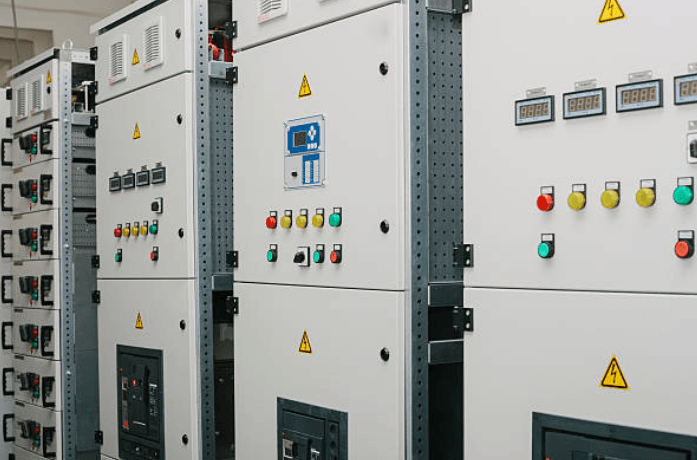
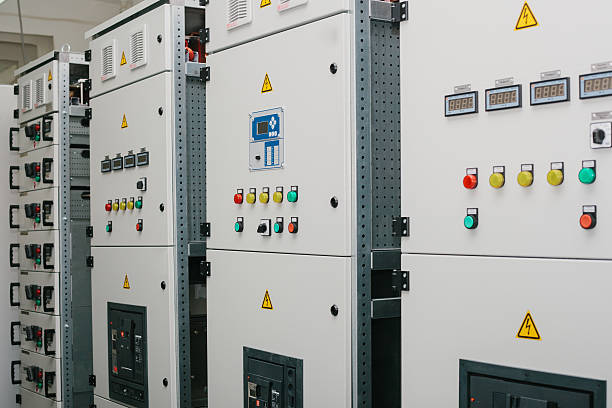
Efficient energy management has become a critical priority for residential complexes, commercial buildings, and industrial facilities. As electricity demand increases and systems become more complex, safe and controlled power distribution is no longer optional—it is essential. One of the most important components enabling this control is low voltage switchboard technology, which ensures electricity is distributed safely, efficiently, and reliably across multiple circuits.
Low voltage switchboards act as the central hub of electrical distribution in many facilities. They manage, protect, and regulate electrical power while improving system performance and reducing energy waste. This article explores how modern low voltage switchboards work, their key features, and how they contribute to efficient energy management.
Understanding Low Voltage Switchboard Technology
A low voltage switchboard is an electrical assembly that distributes power at voltages typically below 1,000 volts. It is designed to control, protect, and isolate electrical circuits within a building or facility.
What a Low Voltage Switchboard Does
A modern switchboard performs several essential functions:
- Distributes electrical power to multiple circuits
- Protects systems from overloads and short circuits
- Provides isolation for maintenance and safety
- Monitors energy usage across loads
- Improves overall power system coordination
Where Low Voltage Switchboards Are Used
They are commonly found in:
- Residential apartment complexes
- Commercial buildings and offices
- Industrial plants
- Hospitals and data centers
- Shopping malls and infrastructure projects
Why Efficient Energy Management Matters Today
Energy efficiency is no longer just a cost-saving measure—it is a sustainability requirement. Poor energy management can lead to:
- Higher electricity bills
- Equipment overheating
- System inefficiencies
- Increased carbon footprint
- Frequent electrical faults
Low voltage switchboards help address these challenges by providing structured and controlled energy distribution.
How Low Voltage Switchboards Improve Energy Efficiency
Modern switchboards are designed not only for safety but also for optimizing energy usage across systems.
Centralized Power Distribution Control
One of the key benefits is centralized control. Instead of unmanaged power flow, switchboards:
- Direct electricity to specific circuits
- Prevent unnecessary power usage
- Allow structured load distribution
This ensures energy is used only where it is needed.
Load Management and Balancing
Unbalanced electrical loads can reduce system efficiency and damage equipment.
Low voltage switchboards help by:
- Distributing load evenly across phases
- Preventing overload on individual circuits
- Maintaining stable voltage levels
Balanced loads improve system efficiency and reduce energy waste.
Key Components of a Low Voltage Switchboard
Understanding the internal structure helps explain how these systems function efficiently.
Circuit Breakers
Circuit breakers protect electrical systems by:
- Automatically shutting off power during faults
- Preventing overload damage
- Ensuring user safety
Busbars
Busbars are conductive strips that:
- Carry electrical current within the switchboard
- Distribute power efficiently to circuits
- Reduce energy loss compared to wiring systems
Protective Relays
Relays monitor electrical conditions and:
- Detect faults or irregularities
- Trigger protective responses
- Improve system reliability
Metering Systems
Modern switchboards include energy meters that:
- Track electricity consumption
- Identify high-load areas
- Support energy optimization strategies
Smart Technology Integration in Modern Switchboards
Low voltage switchboard technology has evolved significantly with digital innovation.
Digital Monitoring Systems
Advanced switchboards now include:
- Real-time energy monitoring
- Remote access capabilities
- Fault detection alerts
Automation and Control Features
Automation improves efficiency by:
- Automatically switching circuits on or off
- Managing peak load conditions
- Optimizing energy distribution based on demand
Integration with Smart Grids
Modern systems can connect to smart grids, allowing:
- Better demand response management
- Improved energy forecasting
- Enhanced system coordination
Safety Benefits of Low Voltage Switchboards
Safety is one of the most important roles of switchboard systems.
Protection Against Electrical Faults
Switchboards help prevent:
- Short circuits
- Overload conditions
- Electrical fires
Isolation for Maintenance
Technicians can safely:
- Isolate specific circuits
- Perform repairs without shutting down entire systems
- Reduce downtime during maintenance
Enclosed Design Safety
Modern switchboards feature:
- Insulated enclosures
- Tamper-proof access
- Fire-resistant materials
Energy Monitoring and Cost Reduction
One of the biggest advantages of modern switchboards is detailed energy tracking.
Identifying High Consumption Areas
Switchboards help facility managers:
- Track energy usage per circuit
- Identify inefficient equipment
- Optimize power distribution
Reducing Operational Costs
By improving visibility, businesses can:
- Reduce unnecessary energy usage
- Lower electricity bills
- Improve equipment efficiency
Industrial Applications of Low Voltage Switchboards
Switchboards play a critical role in industrial environments where power demands are high.
Manufacturing Facilities
They manage:
- Heavy machinery power distribution
- Production line energy flow
- Equipment safety systems
Data Centers
Switchboards ensure:
- Continuous power supply
- Backup system integration
- Load balancing for servers
Commercial Infrastructure
In large buildings, they support:
- HVAC systems
- Lighting networks
- Elevators and escalators
Residential and Commercial Use
Low voltage switchboards are also widely used in everyday environments.
Apartment Complexes
They provide:
- Centralized electricity distribution
- Individual unit control
- Safety protection for residents
Offices and Retail Spaces
They help manage:
- Lighting and HVAC systems
- Office equipment power supply
- Energy efficiency across floors
Advantages of Modern Low Voltage Switchboard Technology
The evolution of switchboard systems has introduced several benefits.
Improved Energy Efficiency
Modern systems reduce energy loss through:
- Optimized load distribution
- Efficient busbar systems
- Reduced resistance losses
Enhanced System Reliability
They provide:
- Stable voltage output
- Reduced downtime
- Better fault tolerance
Scalability and Flexibility
Switchboards can be:
- Expanded as power needs grow
- Customized for different applications
- Integrated with renewable energy systems
Maintenance and Operational Efficiency
Proper maintenance ensures long-term performance and safety.
Regular Inspection Practices
Maintenance includes checking:
- Connections and wiring
- Circuit breaker performance
- Heat levels and ventilation
Preventive Maintenance Benefits
Regular upkeep helps:
- Avoid unexpected failures
- Extend system lifespan
- Improve operational efficiency
Future of Low Voltage Switchboard Technology
Switchboard technology continues to evolve with advancements in energy systems.
Smart Energy Management Systems
Future developments include:
- AI-driven load optimization
- Predictive maintenance alerts
- Advanced energy analytics
Greater Renewable Integration
Switchboards will increasingly support:
- Solar energy systems
- Battery storage integration
- Hybrid power networks
Higher Efficiency Standards
Ongoing improvements aim to:
- Reduce energy losses further
- Increase automation levels
- Improve environmental sustainability
Final Thoughts
Low voltage switchboard technology plays a crucial role in modern energy management by ensuring safe, efficient, and controlled power distribution. From industrial facilities to residential buildings, these systems provide the backbone for reliable electricity usage.
By combining safety features, smart monitoring, load balancing, and energy tracking, modern switchboards help reduce costs and improve overall system performance. As energy demands continue to rise, the importance of intelligent and efficient switchboard technology will only increase.
In essence, low voltage switchboards are not just distribution units—they are intelligent energy management systems that support safer, smarter, and more efficient power usage across all types of infrastructure.